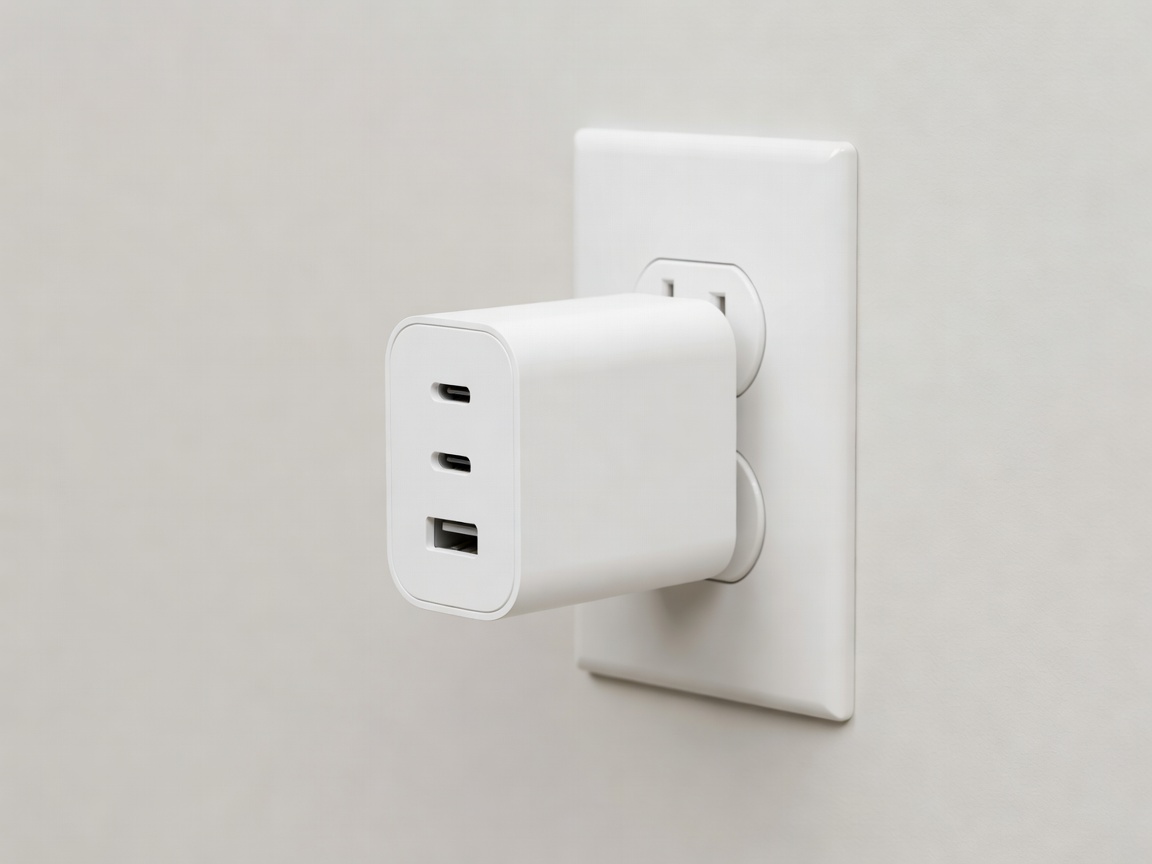

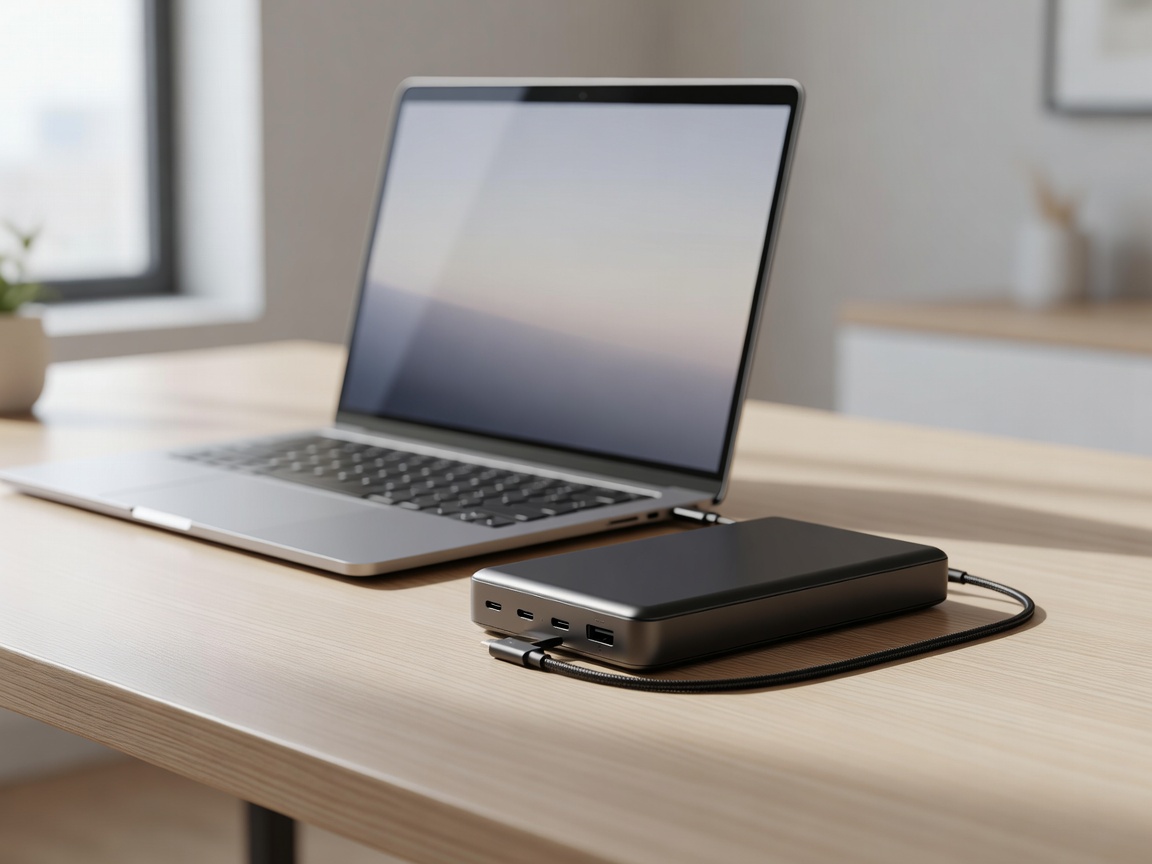
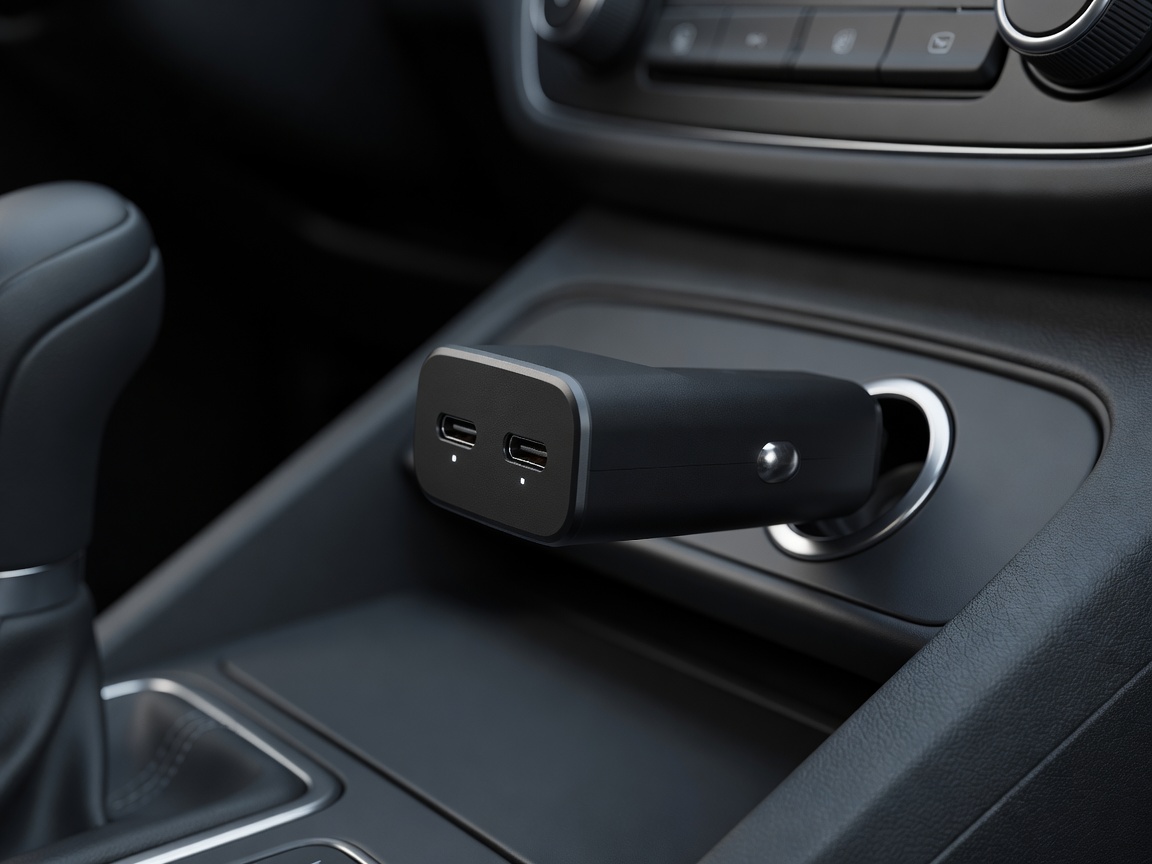
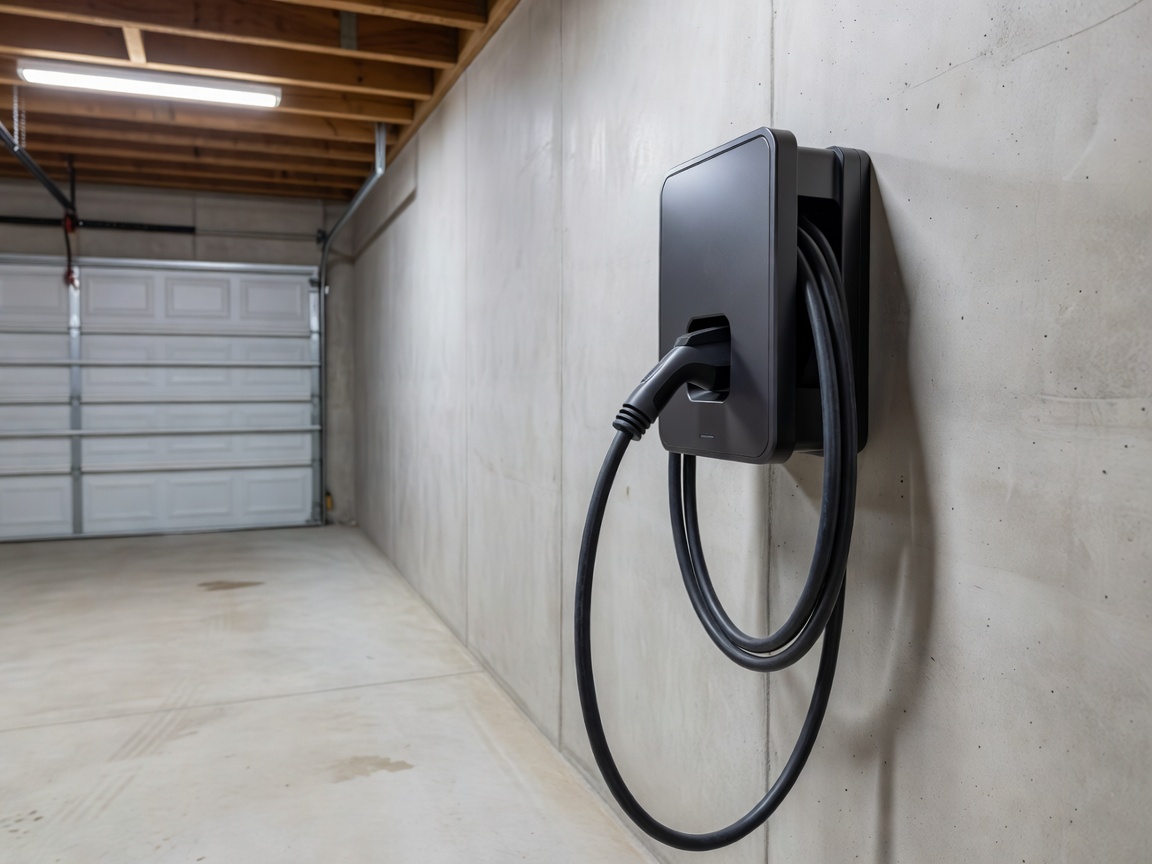
Why Choosing the Right Charger Matters
Using the incorrect charger for your device is no longer just a matter of waiting a few extra hours for a full battery. In today's ecosystem of high-capacity cells and rapid-charging protocols, mismatched hardware can lead to degraded battery health, thermal throttling, and in extreme cases, safety hazards.
Modern devices communicate with their power sources. Through protocols like USB Power Delivery (USB-PD) and Programmable Power Supply (PPS), a smartphone or laptop requests a specific voltage and amperage. If your charger lacks the circuitry to interpret and deliver this cleanly, your device defaults to a slow baseline charge—often 5W to 10W—regardless of how capable the power source might be on paper.
Our guides at vaultbundletempon.pics strip away the marketing jargon. We look at the core specifications that actually affect performance: controller chips, thermal dissipation, port power distribution, and international safety certifications. Whether you need to charge a smartwatch or an electric vehicle, understanding the fundamental mechanics of power transfer is your first step toward a more efficient digital life.